Ocean Governance And Fisheries In The Eastern Caribbean
Ocean Governance And Fisheries In The Eastern Caribbean
The Caribbean region is ranked as one of the most biodiverse regions of the world. In the OECS increasing awareness is being placed on marine areas which hold an abundance of natural resources including rich biodiversity, living resources both marine and terrestrial and nonliving resources in the form of mineral and natural products. In comparison to the land area the OECS has many times more marine area as prescribed under the United Nations Framework Convention on Law of the Sea.
While the OECS has exercised jurisdiction by legislation over the water column and the accompanying living and non-living resources, the benefits to be derived are not fully maximized but nonetheless, many resources are utilized. However, many decades of use and exploitation of the marine environment with inadequate resource management programmes have left growing evidence of degradation of its critical and vulnerable ecosystems. Some of the drivers of this degradation are those activities associated with poorly-planned coastal and urban development, unsustainable tourism, land-based and marine sources of pollution, over-exploitation of living resources, removal of keystone species and the proliferation of invasive species. Notwithstanding, the economic potential of some marine resources remains unassessed or underutilized. These latter resources include but are not limited to, non-living resources such as petroleum products, marine renewable energy sources, and mineable resources.
The Caribbean region is ranked as one of the most biodiverse regions of the world. In the OECS increasing awareness is being placed on marine areas which hold an abundance of natural resources including rich biodiversity, living resources both marine and terrestrial and nonliving resources in the form of mineral and natural products. In comparison to the land area the OECS has many times more marine area as prescribed under the United Nations Framework Convention on Law of the Sea.
While the OECS has exercised jurisdiction by legislation over the water column and the accompanying living and non-living resources, the benefits to be derived are not fully maximized but nonetheless, many resources are utilized. However, many decades of use and exploitation of the marine environment with inadequate resource management programmes have left growing evidence of degradation of its critical and vulnerable ecosystems. Some of the drivers of this degradation are those activities associated with poorly-planned coastal and urban development, unsustainable tourism, land-based and marine sources of pollution, over-exploitation of living resources, removal of keystone species and the proliferation of invasive species. Notwithstanding, the economic potential of some marine resources remains unassessed or underutilized. These latter resources include but are not limited to, non-living resources such as petroleum products, marine renewable energy sources, and mineable resources.



Objectives
Four broad programmatic areas exist under the Oceans Governance and Fisheries Unit:
1 - Supporting Robust Institutional Frameworks Enabling the OECS Commission to create an institutional framework for regional cooperation in transboundary oceans management.
2 - Strengthening Capacity Strengthening national and regional capacities for the development and implementation of ocean law and policy within the framework sub-regional cooperation.
3 - Providing Technical Assistance Facilitating the provision of technical services in the area of sustainable ocean resource and marine environmental management.
4 - Promoting Awareness
The Ocean Governance and Fisheries Programme is guided by the Eastern Caribbean Regional Ocean Policy (ECROP) and Strategic Action Plan which were adopted by the Heads of Government in 2013. The ECROP informs the establishment of mechanisms and frameworks necessary for implementing an integrated Ocean Governance programme in the OECS. Included in this framework, as mandated by the Heads of Government is the OECS Ocean Governance Team (OGT). This team is comprised of focal points, designated by their Governments, for ocean governance in the Member States. The OGT is expected to work closely with the OECS Commission to support the implementation of the Oceans Governance and Fisheries Programme which aims to:
- Secure access to resources
- Maintain and improve ecosystem integrity
- Promote social and economic development
- Adopt multiple-use ocean planning and integrated management
- Promote public awareness, participation and accountability
- Support research and capacity building
- Build resilience and manage for uncertainty
- Maintain maritime safety and security
Projects
Multiple projects are currently being implemented in the area of Ocean Governance and Blue Economy in the Eastern Caribbean by the OECS Commission through its Ocean Governance and Fisheries Unit along with Ministries of Environment and Sustainable Development in the OECS Member States and international agencies.
Among the projects which were recently developed by the OECS Commission are
1 - Unleashing the Blue Economy

Our member states are connected by bountiful, blue waters and sandy shores. The OECS marine ecosystems (coral reefs, mangroves, sea grasses, sandy beaches, and rocky shores) provide a wide array of goods and services (seafood, tourism, coastal protection, and climate resilience from reefs and mangroves, and greenhouse gas sequestration). The OECS Commission and the World Bank launched the Unleashing the Blue Economy of the Caribbean (UBEC) Project to utilize the opportunities for sustainable development that the region’s marine ecosystems and coasts hold.
2 - Recycling in the Eastern Caribbean (Recycle OECS)
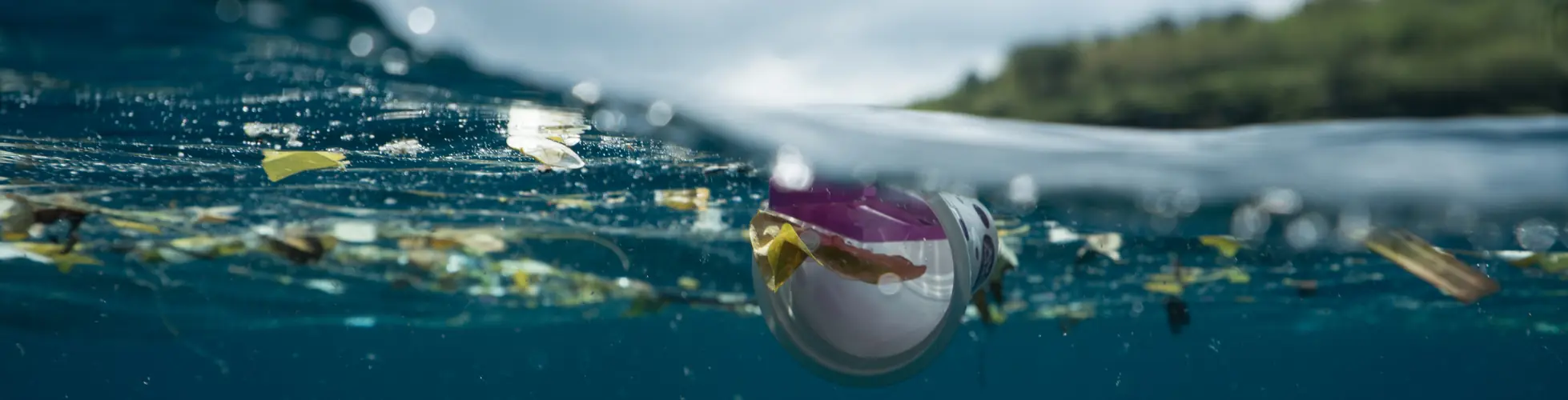
The Recycle OECS project is a response to the major problem of plastic pollution in the OECS, which has intensified due to the proliferation of plastics and Styrofoam in the manufacturing of consumer goods. Historically weak waste management systems and poor practices in OECS Member States have resulted in socioeconomic and environmental threats.
3 - The Building Resilience In the Eastern Caribbean through Reduction In Marine Litter Project (ReMLIT)
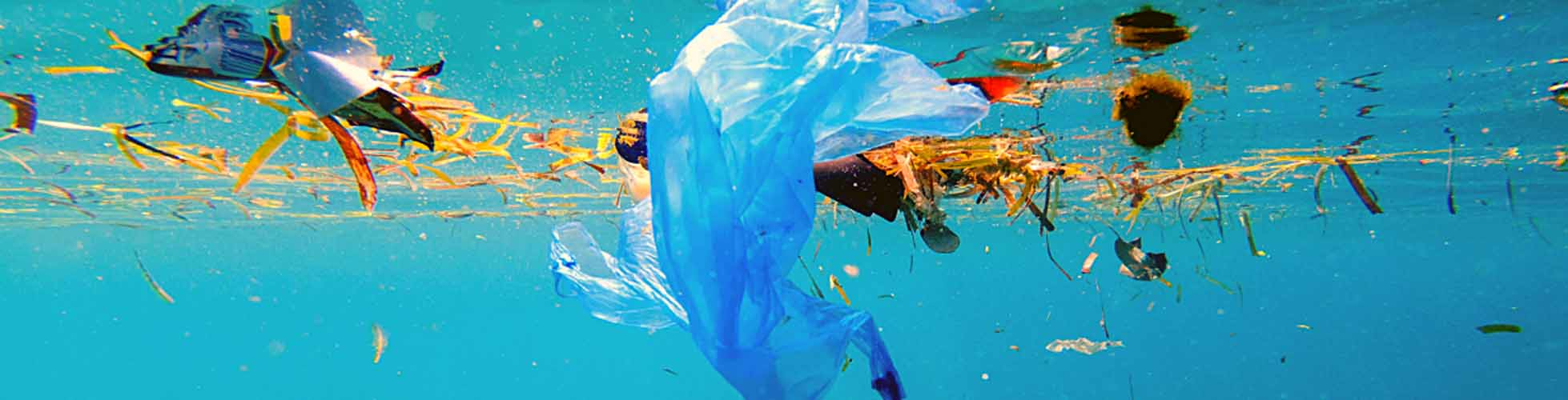
The Building Resilience in the Eastern Caribbean through Reduction in Marine Litter project (ReMLIT) is a $USD X million project implemented under the OECS Ocean Governance and Fisheries Programme. The project is funded by the Government of Norway. ReMLIT aims to reduce and control marine pollution in the Eastern Caribbean.
The ReMLit Project is supporting the Member States of Dominica, Grenada, Saint Lucia, Antigua and Barbuda, Montserrat, and St. Vincent and the Grenadines through project funding and technical advice that will help create the environment for change and adress marine pollution in the Eastern Caribbean. The project was launched in 2019 and is expected to be completed by 2022.
4 - The Caribbean Regional Oceanspace Project (CROP)
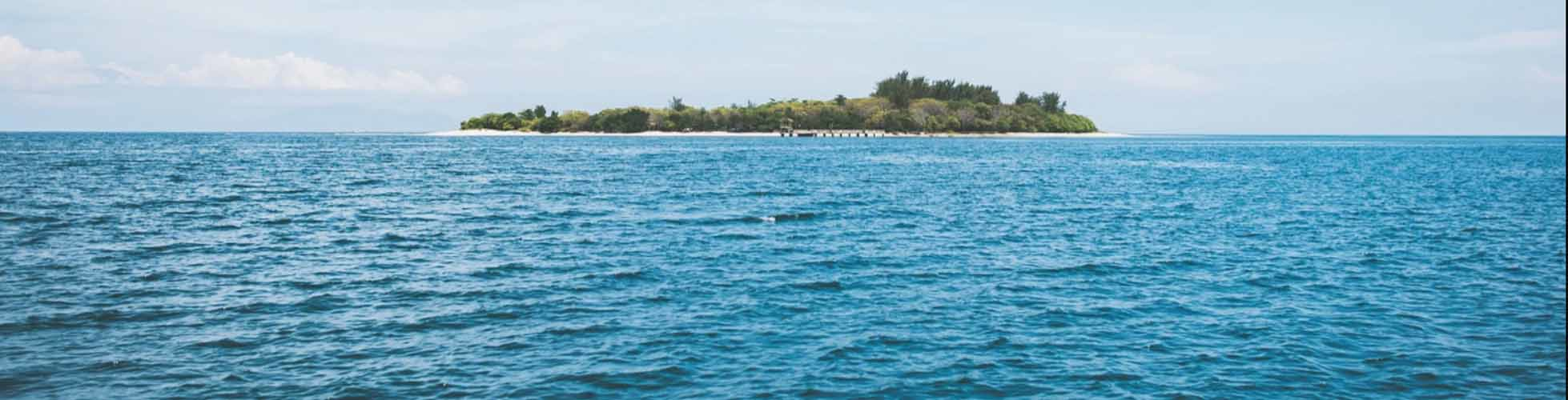
The Caribbean Regional Oceanscape Project (CROP) is a five (5) year project which aims to accelerate the development of the blue economy in the Eastern Caribbean.
The US$6.3M project is funded by the Global Environmental Facility (GEF), administered by the World Bank. It is implemented by the Organisation of Eastern Caribbean States Commission in close collaboration with the following participating OECS Member States: the Commonwealth of Dominica, Grenada, Saint Kitts and Nevis, Saint Lucia and Saint Vincent and the Grenadines.
The project runs from 2018 to 2022.
Resources
Access more resources on Ocean Governance and Blue Economy in the Eastern Caribbean via the OECS Library.
Partners
The OECS has been partnering for multiple years with international agencies who support projects developed in the area of Ocean governance and Blue Economy in the Eastern Caribbean.

Contacts
Susanna DeBeauville-Scott
Project Manager
Tel: +1 (758) 455-6342
Learn more about Ocean Governance in the Eastern Caribbean
The OECS has been partnering for multiple years with international agencies who support projects developed in the area of Ocean governance and Blue Economy in the Eastern Caribbean.